


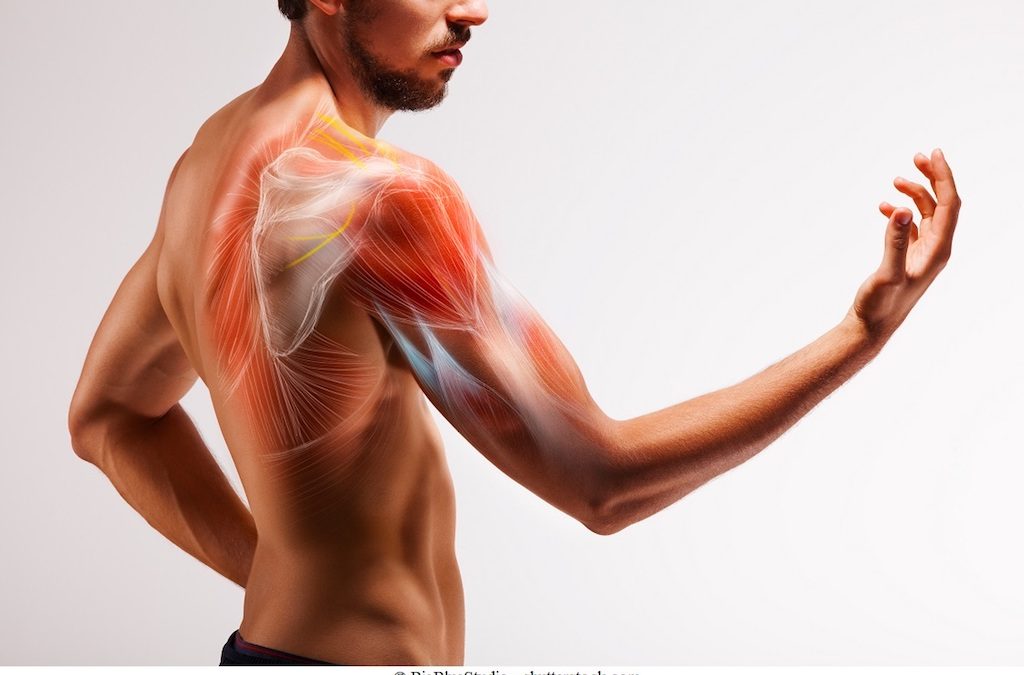
Shoulder dislocations that occur for the first time are painful and frightening. To repair immediately, or not to repair at all, is the most common question I am asked. Here is the data:
To dislocate a shoulder, the labrum (the seal that holds the shoulder in place) must be torn from the bony glenoid, or socket, of the shoulder. Once torn, it does not repair itself. The athlete must decide to live with the torn labrum-and a greater chance of a repeat dislocation-or repair it. No amount of shoulder reinforcement will prevent the repetition of other episodes.
The most recent data indicate that if the athlete is less than 15 years old, the recurrence rate (within 10 years of the initial injury) is 39% and 47% for 16- to 20-year-olds. Patients aged 31 to 40 had only an 18% chance of recurrent instability but a 16% chance of symptomatic arthritis.
To make the right choice for each person, you need to know both your surgeon’s biases and the patient’s activities and expectations. I, personally, am leaning toward immediate repair. Why? Two reasons: It is an outpatient repair that takes less than an hour, with very few complications. I want to help my patients return to sports, and I worry about another dislocation in dangerous situations. In such cases, their long-term health is at risk. It cannot be good for any joint to sublux in and out, scraping articular cartilage and wearing away tissue.
If a repair can solve this situation, it should be done immediately. Unfortunately, the repairs themselves are not without risk. The recurrence rate even after surgical repair can be as high as 25%, although this includes repairs made by a wide range of surgeons with different skills. Optimal repair and rehabilitation should lead to a much lower recurrence rate-and this has been our experience over the past 30 years.
The type of repair is important. Careful reattachment of the labrum and selective tightening of the joint capsule can restore normal shoulder motion. A capsule that is too tight, or a repair that is too loose, leads to failure. The sutures and anchors used today are much more effective, and with a lower profile, than those used in the past.
A rehabilitation program should begin on the first day after surgery and should be carefully guided to regain movement and strength while the tissues are healing. To accelerate healing, we add growth factors from the patient’s blood (PRP). Both have been shown to recruit repair cells derived from the body’s own stem cells to the site of injury. This aspect of tissue healing science is progressing rapidly and should help athletes return to sports faster than they have in years past.
With the combination of anatomical repair and biological augmentation, the healing of dislocated shoulders should not be left to chance. This is our admittedly biased point of view. But since it is your shoulder, you have a choice.