


Dr.ssa Carlotta Federica Lissi
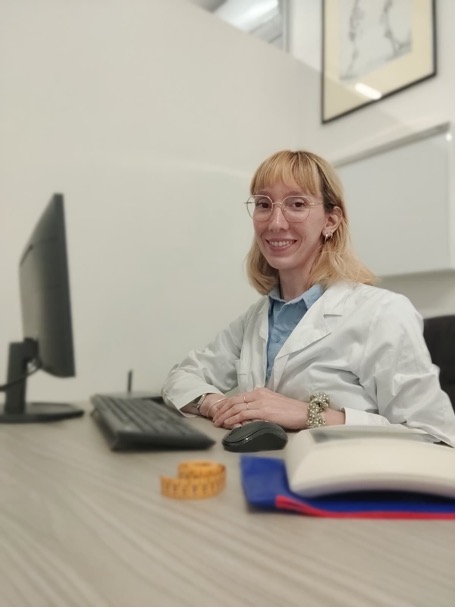
Personalized nutrition as part of multidisciplinary care
I am Dr. Carlotta F. Lissi, a registered nutrition biologist. My principal areas of work are clinical nutrition, the gut microbiota and the PNEI approach. At O.A.S.I. Medical Center, I integrate nutritional assessment into orthopedic and rehabilitation care while respecting each professional’s scope of practice.
My work begins by listening to and assessing the individual. Medical history, health status, treatment, eating habits, physical activity, symptoms, sleep, emotional experiences and goals are considered together. A dietary plan is not a standard template: it must be clinically appropriate, sustainable and compatible with daily life.
When nutritional advice may be helpful
I am Dr. Carlotta F. Lissi, a registered nutrition biologist. My principal areas of work are clinical nutrition, the gut microbiota and the PNEI approach. At O.A.S.I. Medical Center, I integrate nutritional assessment into orthopedic and rehabilitation care while respecting each professional’s scope of practice.
My work begins by listening to and assessing the individual. Medical history, health status, treatment, eating habits, physical activity, symptoms, sleep, emotional experiences and goals are considered together. A dietary plan is not a standard template: it must be clinically appropriate, sustainable and compatible with daily life.
A nutrition consultation can complement care and prevention in a number of situations.
- Weight management with osteoarthritis or joint pain. When appropriate, gradual weight loss can reduce the load on weight-bearing joints and improve pain, function and quality of life.
- Nutritional preparation for orthopedic treatment or rehabilitation. The aim is to enter treatment with adequate nutrition and support recovery in coordination with the physician’s and physiotherapist’s recommendations.
- Preserving muscle mass. Dietary strategies for adults and older people at risk of losing strength and lean mass, especially during periods of reduced mobility.
- Bone health. Assessing dietary adequacy of protein, calcium, vitamin D and other relevant nutrients, with medical input when tests or supplementation are needed.
- Clinical nutrition. Personalized plans for overweight, obesity, altered blood glucose, insulin resistance, dyslipidemia, hypertension, thyroid disorders and other diagnosed conditions.
- Gastrointestinal symptoms and microbiota. Nutritional assessment of bloating, irregular bowel habits, reflux or irritable bowel syndrome after causes requiring a specific diagnosis and treatment have been ruled out or addressed with a physician.
- Women’s health. Nutritional support through different life stages, including PCOS, pregnancy, breastfeeding and menopause, in collaboration with the relevant professionals.
The PNEI approach and psychological and emotional factors
The PNEI approach considers biological, psychological, behavioral and social aspects together. The consultation therefore makes room for stress, sleep quality, emotional eating, hunger and fullness cues, body image, previous restrictive diets, beliefs about food, and family or work circumstances. These factors are treated as useful information for setting realistic goals and workable strategies, rather than as a lack of willpower.
A purely prescriptive approach may be ineffective when a plan looks right on paper but is difficult to fit into a person’s life. Recommendations are therefore agreed together and adapted over time, with a focus on awareness, independence and gradual change. If signs of an eating disorder or psychological distress requiring specific care emerge, collaboration with a physician, psychologist or psychotherapist is proposed.
Gut microbiota and personalized nutrition
The gut microbiota is the community of microorganisms living in the gastrointestinal tract and contributing to digestive, metabolic and immune functions. Its composition varies from person to person and is influenced by diet, medication, age, lifestyle and medical conditions. There is therefore no universal diet that can “rebalance” the microbiota. The nutritional assessment considers gastrointestinal symptoms, bowel regularity, eating habits, treatments, diagnoses and factors that may alter the gut ecosystem.
The intervention may include a gradual, personalized increase in plant variety and fiber when tolerated, alongside targeted strategies for bloating, constipation, irregular bowel habits, reflux or irritable bowel syndrome. Probiotics and prebiotics are not recommended indiscriminately: potential benefits depend on the strain, dose and condition being considered. Microbiota tests must also be interpreted cautiously because they cannot currently be used on their own to make a diagnosis or prescribe rigid protocols. Persistent symptoms, warning signs or gastrointestinal disease call for coordination with a physician or gastroenterologist.
An evidence-based approach
Recommendations draw on national and international guidelines, the Italian Society of Human Nutrition’s LARN reference intake values, and the available scientific evidence. No food on its own can regenerate cartilage or cure osteoarthritis. A well-designed diet can, however, support weight management, maintenance of muscle mass, nutritional adequacy and cardiometabolic health. These factors matter for moving better and engaging consistently in treatment.
Team-based care
At O.A.S.I. Medical Center, nutritional advice can be coordinated with orthopedics, physiotherapy and the center’s other clinical services. When symptoms, laboratory results or specific medical or psychological needs arise, the person is advised to consult the appropriate professional. This coordination avoids overlapping roles and makes the care pathway clearer.
Book a nutrition consultation
For a plan tailored to your medical circumstances, habits and goals, you can request a consultation at O.A.S.I. Medical Center in Milan.