Platelet Rich Plasma (PRP)
Personalized PRP treatment is a nonsurgical alternative and an innovative technique for the treatment of tendon, muscle, and joint disorders.
It relies on the body’s natural mechanisms and takes advantage of the high regenerative and healing capabilities of growth factors released by platelets contained in the blood.
Dr. Prof. Gobbi considers PRP therapy in cases of persistent tendinopathies resistant to traditional treatments (tennis elbow, plantar fasciitis, achilles tendinopathies, etc.). PRP is also an option in cases of muscle injuries of various degrees, ligamentous injuries, early stages of osteoarthritis, as well as cartilage pathologies.
PRP can also be used in joint or muscle pain that develops after contracting COVID-19 disease or after vaccination against SARS-CoV-2.
PRP treatment is designed to promote long-term tissue healing, and the result of the therapy is not immediate but takes time to show significant improvement in symptoms and dramatic recovery of function.
For many patients PRP represents a valid alternative to the surgical solution.
Dr. Prof. Alberto Gobbi, under the guidance of Dr. Prof. Ramon Cugat, was the first physician to introduce the use of PRP in Italy. In 2012 he was awarded the prestigious T. David Sisk Award as the best international paper for his research on the use of PRP in early knee osteoarthritis.
The Steps of PRP Production
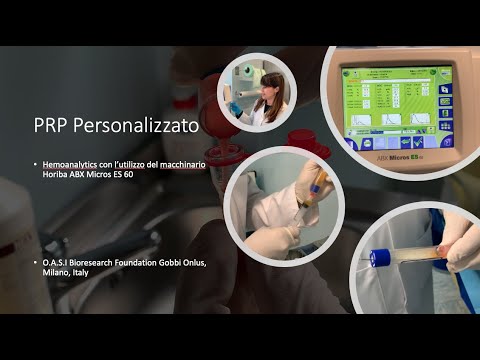
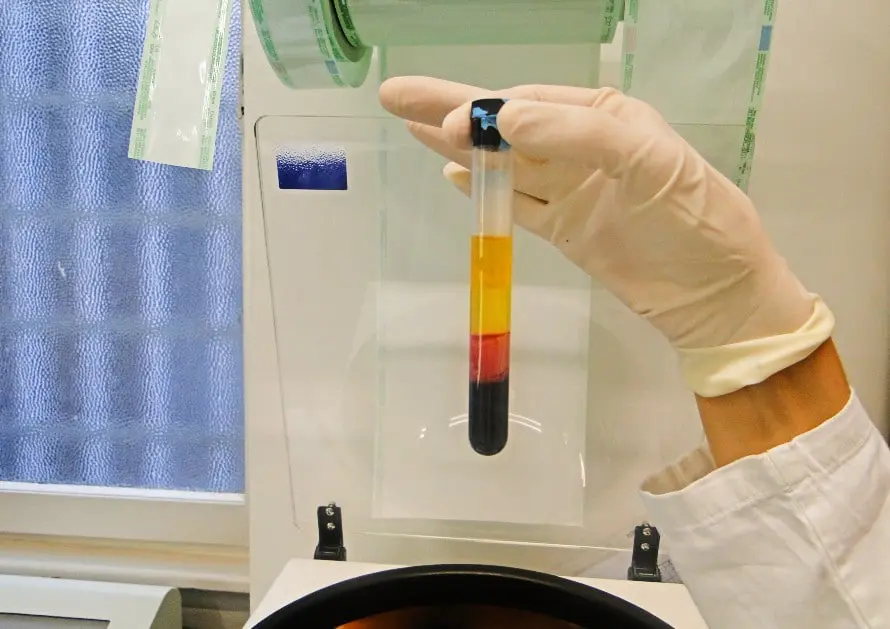
PRP is obtained from a normal venous blood sample processed by a special centrifugation procedure.
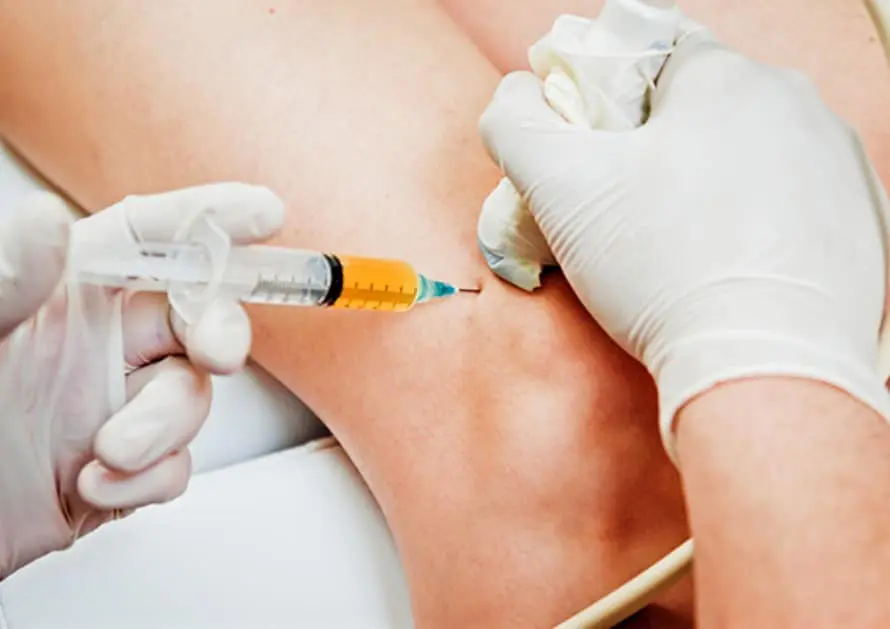
A platelet concentration 2 or more times the basal value of that in the peripheral blood is obtained, which is then injected at the treatment site.
Once injected, the concentration of platelets releases growth factors into the site to be treated that can stimulate regeneration and healing of damaged tissue in a completely natural way.
Usually the discomfort is minimal, similar to that of a common drug infiltration.
It is also recommended that the treatment be combined with a specific rehabilitation program to promote better functional recovery.
The results of the studies in the literature are encouraging, and after a few months it is reasonable to expect in most cases a significant reduction or disappearance of pain and recovery of function.
PRP Combined with Hyaluronic Acid
PRP can also be used in combination with hyaluronic acid to get an even better response from the patient.
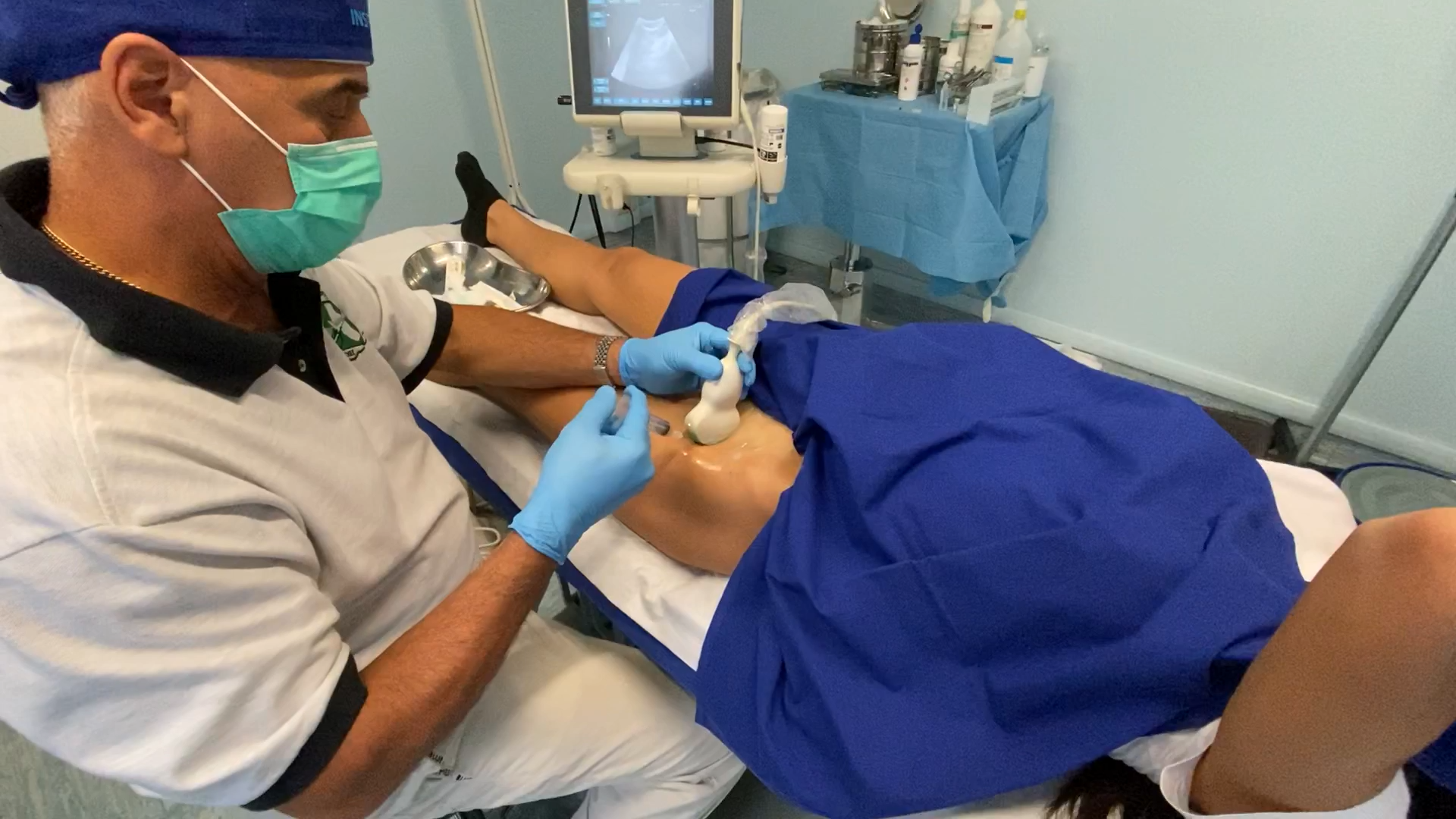
Ultrasound-guided PRP in the Hip


Testimonials from Our Patients