


Sports Medicine
Our tissue engineering techniques and bio-orthopedics open new approches in the treatment and prevention of athletes’ pathologies.
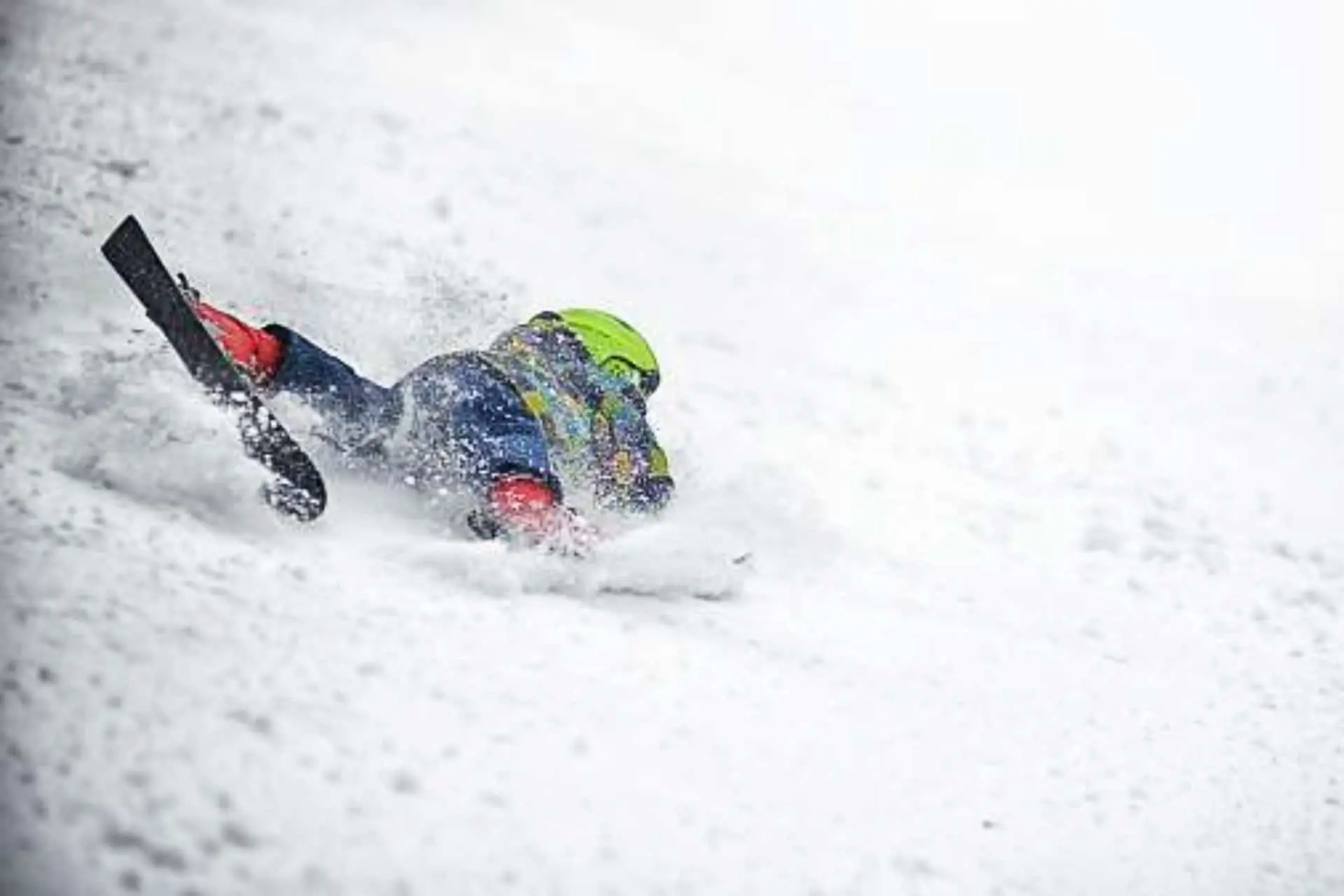
Sports Traumas
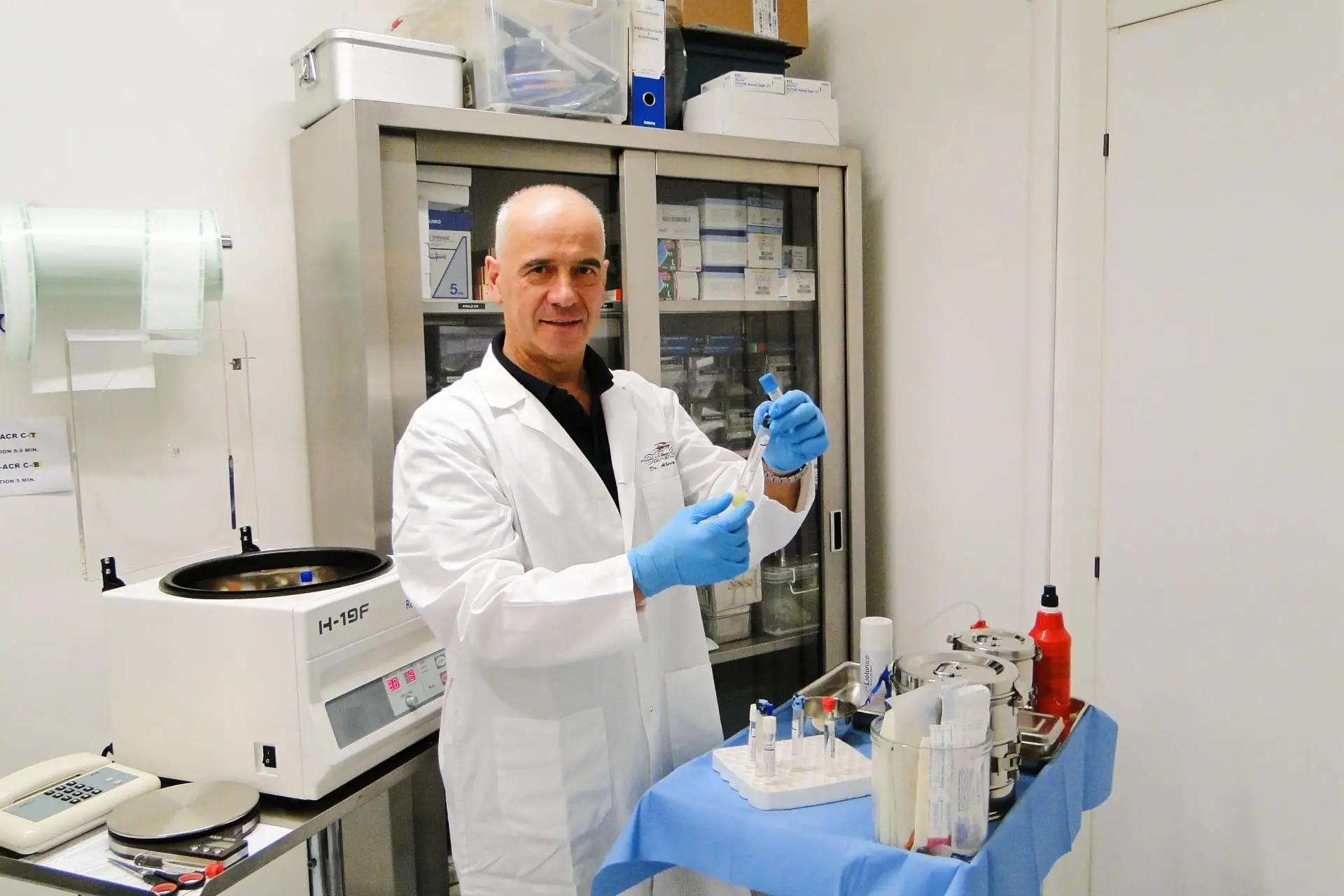
Sports Medicine in the Future
In recent decades, research in the field of sports medicine has exponentially increased the use of new arthroscopic and minimally invasive surgical procedures, and new therapeutic protocols.
Sports Traumas
Playing sports certainly benefits health, but the risk of injury and trauma increases.
Injuries caused by sports activity are often the result of a load imposed on bones and muscles.
The most common are soft tissue traumas, i.e. tendons, muscles and ligaments.
Stress Fractures
Injury
- Stress fractures are often linked to sports and in particular to sports that involve repetitive movements and overloading of a body segment.
- For example, in marathon or cross-country runners, such pathology often occurs as a result of errors related to intensity, duration and type of training.
- When training is of high intensity, there is an overshoot in the bone’s ability to withstand stress over time.
- A load defect, such as the use of unsuitable footwear can be a cause of the pathology.
- Other sports can also cause stress fractures.
Causes
- The overload associated with athletic action results in plastic deformation of bone, a tissue that is extremely sensitive to mechanical stresses.
- The bone, in fact, represents a perfect balance between the osteoblasts, which build the bone tissue, and the osteoclasts, which, on the contrary, demolish it, thus maintaining the bone structure in continuous remodeling.
- A workload with appropriate and balanced exercises induces bone strengthening and is useful as prevention and treatment of osteoporosis.
- Sometimes, however, excessive stress occurs along certain angular vectors that can damage the bone and cause stress fractures.
Symptoms
- The athlete at first reports pain that appears during sports activity and disappears at rest. In a second stage the pain continues for hours and often also appears at night.
Treatments
- The treatment is initially conservative starting with rest, supplements, alendronate therapy, magnetic therapy, infiltrations with growth factors.
- If the pathology progresses, surgical treatment may be necessary due to the risk of decomposition (e.g. in the femoral neck).
- Postural gymnastics and hydro-kinetic therapy can help in healing.
Tendinitis
Injury
- Tendons are robust structures interposed between bones and muscles through the osteo- tendon and muscle-tendon junctions, which allow to transmit and graduate the stresses that the muscles exert on the skeletal system.
- The tendons are made up of type 1 collagen fibers, extremely resistant but with a much slower regeneration capacity than that of the muscle; in other words, the tendons are very robust and have a certain elasticity, but if they are subjected to excessive and repeated efforts they can suffer micro- injuries and healing can be slow.
- When we talk about tendinitis we refer to the inflammatory process of the tendon or better, of its sheath, the peritenonium, which wraps the tendon itself.
- In this case, any attempt at movement causes acute pain and it is sometimes possible to appreciate the noise that the tendon makes inside the tendon sheath.
- If, on the other hand, inflammation occurs near the insertion to the bone, it is called insertional tendinopathy.
Causes
- Tendon injuries can occur due to excessive strain or repeated microtrauma, as well as unaccustomed exercises, especially if performed not quite correctly.
Symptoms
- The main symptom of tendinitis is pain in the affected area, pain that increases with movement and which can be accompanied by local swelling and crackling.
- In fact, there may be a bad lubrication of the tendon sheaths which causes friction of the tendon to movement.
- When tendinitis becomes a tenosynovitis, as occurs for example in the flexor or extensor muscles of the fingers of the hands, in addition to pain, there will be difficulty in sliding the tendon within its own sheath and a “click” sensation may appear.
- When the pain is evident at the junction between the tendon and bone we will have an insertional tendinopathy as occurs for example in epicondylitis, patellar tendinopathy or pubalgia.
- Tendon rupture occurs rarely and affects, in particular, athletes who are over 40 years of age, who have subjected their tendons to repeated injuries, who have practiced infiltrations with cortisone or play a sport with too much intensity, after a long inactivity period.
- The laceration of the tendon can also occur due to a sudden and violent movement characterised by a sharp click with a “snap” sensation accompanied by severe pain and the inability to move the limb.
Treatments
- The primary cure for tendonitis is prevention, i.e. proper training that includes warming up and stretching, proper nutrition and the use of appropriate equipment.
- When pain is present, an adequate rest period is necessary, it is useful to apply ice or a discharge bandage and take substances that facilitate the natural healing of the tendon.
- When pain persists and we are faced with tendovaginitis, it may be necessary to carry out infiltrations inside the sheath with hyaluronic acid, which facilitates the sliding of the tendon and reduces inflammation.
- Except in exceptional cases, it is better not to resort to cortisone infiltrations that can weaken the tendon itself. Physical therapies such as laser, ultrasound, tekar or oxygen-ozone therapy or mesotherapy have shown their effectiveness in the treatment of chronic forms.
- Recently excellent results in chronic tendinopathies have been obtained with the use of P.R.P. (Platelet-rich plasma) and numerous papers have been published in the literature demonstrating the usefulness of PRP in the treatment of epicondylitis and Achilles tendinopathies; in our center we have been using PRP for years and favorable results have also been achieved in the pubalgia (footballers) and tenosynovitis of the forearm (motocross riders).
- Let’s now give some advice:
It is useful to do an adequate warm-up and stretching before starting any sport activity in order to “stretch” the muscles; in fact, the shorter and more hypertrophic the muscle, the more the tendon is subjected to strong tensions and it promotes inflammation; never exaggerate while performing the exercises, avoiding going beyond your limits and remembering that if you experience pain it is appropriate to stop and rest, or alternate in some other less tiring activity; follow the advice of a coach or in any case an expert and do not go into excessive training, believing that it can drastically improve our performance.
Pubalgia
It is an inflammatory condition on a noninfectious basis affecting the pubic symphysis and the insertion of muscle-tendon structures on the pubic component of the pelvic bone, usually affecting the adductor muscles and the rectus abdominis.
This pathology affects almost exclusively athletes, mostly footballers, and is manifested by a painful symptomatology with acute or subacute onset.
Tear of the Large Pectoral Muscle
Injury
- This is a clinical syndrome that can range from a small injury to complete avulsion from the bone, resulting in hematoma and visible aesthetic deformity.
- Tendon rupture can occur at the insertion level on the humerus, or at the level of its origin, on the sternum.
Causes
- Generally, the tear is the result of extreme effort, greater than the ability of the muscle itself to resist the applied force (for example, during an over maximal effort in lifting a barbell on a flat bench).
Symptoms
- Acute onset of pain located in the anterior portion of the rib cage, on the side of the injured muscle.
- If the rupture is complete, the pain will be accompanied by a hematoma and a visible aesthetic deformity, due to the “tearing” of the tendon from its bone insertion.
Treatments
- In microscopic tears, it can consist of simply taking anti-inflammatory drugs and resting, followed by some rehabilitation sessions or physical therapy.
- In severe cases, it is necessary to immediately surgically repair the tendon, to restore the correct functioning of the muscle itself, as well as eliminate the associated aesthetic deformity.
- It is therefore recommended, in cases like these, to contact a specialist who will be able to advise you best.
Muscle Injuries
Injury
Muscle injuries are common in all sports. We can recognize a direct muscle trauma (eg contusion) or an indirect one eg. a muscle strain. Simple contusion is very common and usually heals spontaneously while distraction or tearing more frequently can cause real muscle injuries.
However, when the blunt trauma is violent, a muscle breakdown similar to that of a tear can occur.
Direct trauma muscle injuries can be divided into three grades:
mild, moderate or severe grade. Speaking instead of muscle tears we distinguish:
- Grade I tear: tearing of a few muscle fibers, but not the entire bundle;
- Grade Il tear: laceration of one or more muscle bundles
- Grade III tear: muscle rupture that involves a large part of the muscle and can be distinguished as partial or total.
Symptoms
Tearing is manifested by sharp, stabbing, well-localized pain that appears during sports activity followed by pain on movement, effusion and hematoma formation, muscle retraction, partial loss of function, and structural alteration of the muscle on palpation.
Diagnosis
Essential is a clinical examination carried out by expert hands, from the instrumental point of view ultrasound and magnetic resonance are fundamental.
Treatments
In the first few hours, the R.I.C.E. (Rest, Ice, Compression, Elevation) protocol is essential, then rest, local ice, compression bandaging and elevation of the limb.
Subsequently, physical therapies for antalgic and anti-inflammatory purposes can also be intervened.
In lesions that result in the formation of an effusion or hematoma, this must be aspirated early to avoid the formation of a large clot that could even result in bone formation if mechanically stimulated (myositis ossificans). It is therefore recommended to avoid applying heat or performing massages.
An interesting therapy in muscle ruptures is the possibility of injecting “growth factors” into the lesion (using ultrasound guidance) in order to stimulate the healing of the lesion. Each therapy must be followed by targeted physiotherapy treatment.
Sports Medicine in the Future
Sports medicine is a branch of medicine that deals with sports and their pathologies. Today it has assumed a fundamental role in the preparation of professional athletes, often assisted by a sophisticated medical staff.

Sports medicine is therefore not a single specialty, but includes various specialists who collaborate in the treatment and rehabilitation of athletes’ injuries and are committed to preventing them.
In recent decades, research in the field of sports medicine has exponentially increased the use of new arthroscopic and minimally invasive surgical procedures. New therapeutic protocols have emerged in the rehabilitation of athletes and in the prevention of trauma caused by various sports.
New therapeutic protocols have emerged in the rehabilitation of athletes and in the prevention of injuries caused by various sports.
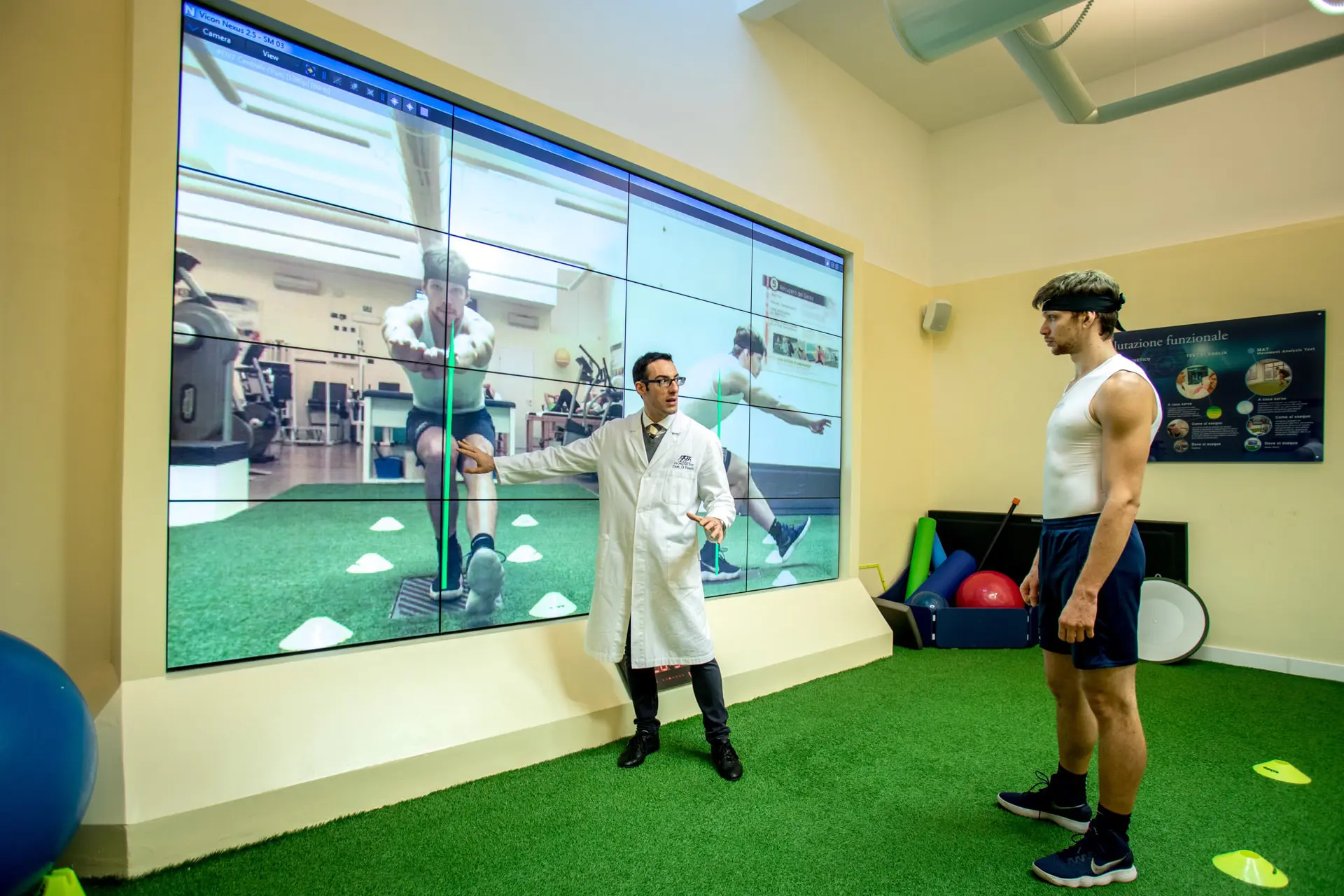
3D motion analysis and the introduction of new diagnostic techniques, such as magnetic resonance imaging, and 3D CT scan have made possible much faster and more accurate diagnoses than in the past.
Among the most important areas of sports medicine we find the prevention of trauma from highly disabling pathologies, such as muscle cramps, strains, sprains and ruptures of ligaments, damage to the meniscus and articular cartilage.
Some sports activities that involve impacts or rapid acceleration, deceleration and torsion movements can cause lacerations to the meniscus and articular cartilage, while being overweight and / or repeated movements can generate a picture of chondropenia.
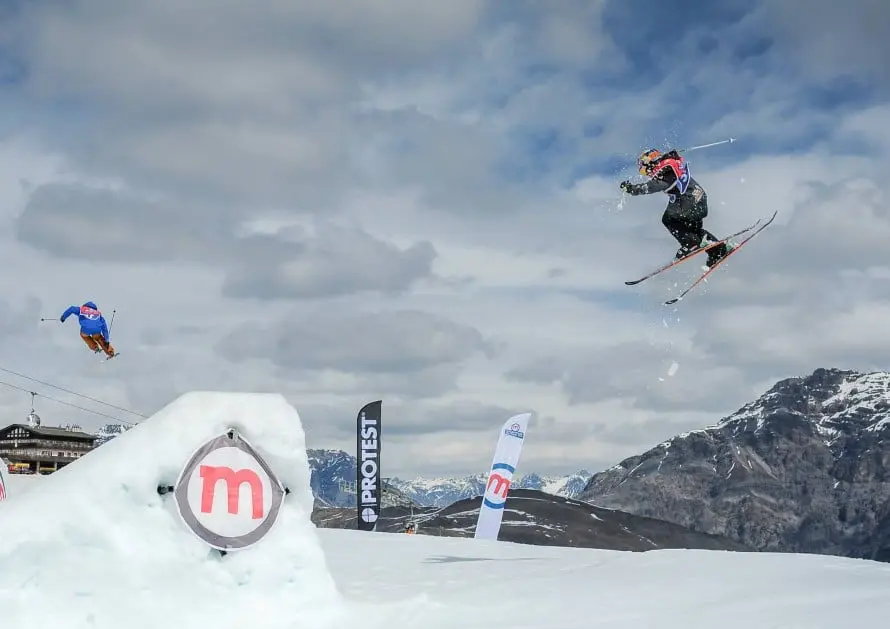
Along with tissue bioengineering, sports medicine observes with interest the opportunity to genetically manipulate cells to allow rapid tissue healing or even regeneration of the damaged area.
In conclusion, the future of sports medicine will increasingly depend on the optimization and synergy of all these procedures.